


































Elemental Mysteries
Elemental Mysteries Energy, Number, |
The heavens, Pythagoras "taught, are the realm of pure number, where objects move in perfect, unchanging circles, the realm that can best be perceived through pure reason. . . | "Our only release from our earthly body, 'the tomb of the soul,' is withdrawal from the world to dispassionate contemplation of reason and mathematics." 1 Perennial Tradition explores how Divine Consciousness manifests as energy, through such ordering principles as number and frequency. Perennialist teachers Hermes, Pythagoras, and Plato explicated how energy, number, and frequency comprise the elemental substrate of Reality.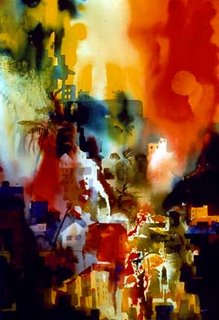 |
| "The deeper secrets and laws of our being are self-protected; to learn them requires an adaptation of character and purpose, and a humility of mind and spirit, inconsistent with those displayed by the perverse or merely curious enquirer. To understand, let alone practically to explore, the Hermetic Mystery is not for every one--at least, at his present state of evolutional unfolding. . . . Only to those whose spiritual destiny has already equipped them with a certain high measure of moral and intellectual fitness will even a rough notional apprehension of it be practicable." |
via: hermes-press
posted by Indigobusiness @ Thursday, August 31, 2006
9 Comments


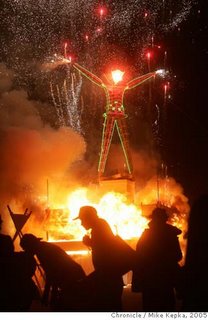



 There is more brutality on any street corner in China than in a splatter porn film, yet Chinese films are still subject to censorship. One example is director Lou Ye, whose film "Summer Palace" has him threatened with a professional ban. But if you ask around, you get the impression no one is really incensed about censorship because it can do very little to curtail the truth. By Susanne Messmer
  Zamosc, the "Padua of the North," planned as an ideal city in the 16th century, is a remote town in the Polish provinces. Until the international art scene came to stay, that is. Now Sabrina van der Ley and Markus Richter have enticed a group of artists to come create works on the theme "Ideal City - Invisible Cities." By Birgit Rieger
 Jasmila Zbanic's debut feature film "Grbavica" about life in post-war Bosnia won the Golden Bear at this year's Berlinale. Here, the young director talks with Jan Schulz-Ojala about the war's ugly aftermath, the boycott of her film and the redemptive possiblities of art.

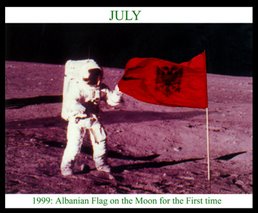
 "The conscious and intelligent manipulation of the organized habits and opinions of the masses is an important element in democratic society. Those who manipulate this unseen mechanism of society constitute an invisible government which is the true ruling power of our country.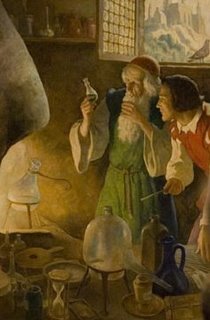

 This podcast of the Psychedelic Salon