


















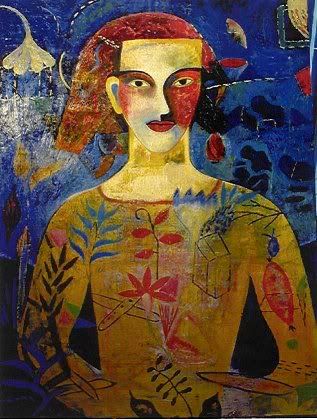



















Anguish Among Artists
When Anguish Among Artists Became Both Respected and Expected
LONDON, July 26 — When exactly did artists decide that they were different from ordinary mortals, that in all likelihood they were superior to the rest of us? Or, viewed differently, when were they granted such a privileged status? When did Western societies start venerating them as sensitive, misunderstood geniuses?

For a long time, it seems, being a great artist — a “skilled manual worker,” as Samuel Johnson put it — was enough. For Bach and Mozart, for Rembrandt and Titian, even for Shakespeare, their art was their job. Their output was valued, but in a social order dominated by church, royal court and wealthy patrons, their standing was not high.
Then came the Romantic movement, and with it, artists turned from pleasing the world to indulging themselves: they rebelled against conventions, proclaimed their uniqueness, disdained the bourgeoisie as philistine, savored their own melancholy and formed cliques. Many also chose a bohemian lifestyle to exhibit their otherness.
posted by Indigobusiness @ Friday, July 28, 2006
0 Comments





0 Comments:
Post a Comment
Subscribe to Post Comments [Atom]
<< Home